
%20(1).png)
Anxiety Disorders
Evidence-based treatment for anxiety that goes beyond coping strategies. We help people move from being controlled by anxiety to managing it on their own terms.
When Anxiety Stops Being Normal
Everyone experiences anxiety. It's a normal response to stress. But when it becomes excessive, persistent, and starts interfering with your daily life, something has shifted.
Maybe your world has gotten smaller. You're avoiding situations, canceling plans, struggling at work or school. The physical symptoms alone — racing heart, tightness in your chest, difficulty sleeping — are wearing you down.
Anxiety disorders affect over 40 million adults in the U.S., yet many people go years before seeking treatment. Sometimes because they don't realize specialized help exists. Sometimes because anxiety itself makes reaching out feel impossible.
We've treated thousands of people through this. CBT and exposure therapy have strong research support, and most people who receive them improve significantly.

Agoraphobia
What is Agoraphobia?
Agoraphobia is a fear of being in situations where escape might be difficult or that help wouldn't be available if things go wrong. Many people assume agoraphobia is simply a fear of open spaces, but it's actually a more complex condition. Someone with agoraphobia may be scared of: traveling on public transport, being in a town other than home, and being in crowded public spaces. Many people with agoraphobia have co-occuring Panic Disorder. For those experiencing Panic Disorder, the fear of open spaces is often connected to the fear of having a panic attack in public.
Treatment for agoraphobia is most effective when the specific reasons for the avoidance of public or social situations is identified. For example, a person who avoids parties may be incorrectly labeled "agoraphobic" when they may have social anxiety and would need to be treated accordingly.
%20(1).avif)

Generalized Anxiety Disorder (GAD)
What is Generalized Anxiety Disorder (GAD)?
Generalized Anxiety Disorder (GAD) is characterized by excessive anxiety and worry about about everyday life concerns, such as finances, health, safety, and family. Everyone experiences worry or anxiety about these life situations and events at times in their life. In the case of GAD, the worry is persistent and can occur on an almost daily basis. The level of worry may not match the situation at the moment, for example, worrying about one's finances, even though his/her job is secure. Often those with GAD experience a lot of "what if" thinking, such as "what if" something bad happens to my family, "what if" I lose my job.
What are the Symptoms of GAD?
- Excessive worry about everyday life events and situations
- Restlessness
- Difficulty concentrating
- Indecisiveness
- Difficulty tolerating uncertainty
- Appearing preoccupied and distant when they are interacting with others.
- Easily distracted and forgetfull
- Physical symptoms are quite common, including stomach discomfort, muscle tension, headaches, feeling more fatigued than seems reasonable.
- Difficulty sleeping
It can be difficult to differentiate GAD from the obsessions in OCD, due to the common symptom of excessive worry. The difference, however, is that in GAD, the concerns are about a variety of different topics, whereas in OCD, individuals worry about a specific concern. GAD is also not typically associated with rituals/compulsions.
Panic Disorder
What is Panic Disorder?
Panic Disorder is characterized by recurrent unexpected panic attacks and a persistent concern about having additional attacks. Individuals suffering from panic typically worry about the implications of the attack or its consequences (e.g., losing control, having a heart attack, “going crazy,” or dying). Because recurrent panic attacks can be so scary and uncomfortable, those with panic begin finding ways to prevent another attack. This can result in avoiding situations that may appear to increase the chances of the attack, or situations that seem "unsafe.," such as very crowded places or places where "escape" is more difficult, such as public transportation, a mall, college classes etc. Those with panic may engage in "safety measures" to help them during an attack, such as carrying water or mints, not leaving home without a fully charged phone, needing to call a friend/family when out, sitting in a seat close to an exit.
A panic attack is characterized by a sudden feeling of terror and physical symptoms that seem to strike without warning. An attack typically lasts ten minutes, although symptoms can linger for a longer time.
What are the Symptoms of a Panic Attack:
- Racing heart
- Sweating or chills
- Shaking
- Nausea
- Dizziness, weakness, or feeling faint
- Feeling out of control
- Feeling a sense of "doom" or imminent danger
- Difficulty breathing

Many people with panic disorder feel depressed. Fatigue and feeling that life is too stressful is also common. Some of those with panic disorder may be prone to self-medicating with drugs or alcohol. This may provide temporary relief but in the long run will usually make the condition worse. It has also been found that for some using a substance, marijuana for instance, can trigger the onset of panic disorder.

Post-Traumatic Stress Disorder (PTSD)
What is Post-Traumatic Stress Disorder (PTSD)?
Post-Traumatic Stress Disorder is a lasting consequence of traumatic experiences that cause intense fear, helplessness, or horror. Common experiences include physical or sexual assault, emotional abuse, being the victim of a crime, the unexpected death of a loved one, an accident, war, or natural disaster. An individual doesn't have to directly experience the traumatic situation to develop PTSD. Families of victims can also develop PTSD, as can emergency personnel and rescue workers. PTSD typically develops within 3 months after the trauma, but may not occur until months or even years after the traumatic experience.
What are the Symptoms of PTSD?
- Re-living the trauma through flashbacks, intense distressing memories, nightmares
- Avoidance of people, places, and activities that may be a reminder of the trauma
- Avoiding thoughts or feelings related to the event
- Feeling jumpy, restless, tense, on edge
- Difficulty sleeping
- Feeling emotionally "numb," having difficulty identifying, experiencing, and expressing emotions
- Irrational anger, outbursts, mood swings
- Difficulty concentrating, memory impairment
- Feeling a sense of danger and being under attack
- Unrealistic sense of self-blame, guilt
- Experiencing suicidal thoughts
- Depression, hopelessness about future, loss of interest in enjoyable activities
- Dissociation - feeling disconnected from your immediate environment


Social Anxiety Disorder
What is Social Anxiety Disorder?
Social Anxiety Disorder (Social Phobia) is characterized by a persistent and uncontrollable fear of social situations, including situations where one is expected to perform. People with this disorder have an irrational fear that they will be embarrassed, scrutinized, judged, or humiliated in public. Speaking in public, eating in public, using public lavatories, or virtually any other activity that might be carried out in the presence of others can elicit extreme anxiety. When exposed to these situations, these individuals are likely to experience extreme levels of anxiety or panic attacks. Social Phobia is diagnosed only if the fear intrudes in the social or occupational functioning of the individual.
What are Symptoms of Social Anxiety Disorder?
- Hypersensitivity to evaluation, criticism and rejection
- An irrational worry that one will embarrass oneself, say something "stupid" or others will judge as negative
- Avoidance of social or performance situations
- Feeling more comfortable with familiar people (long time friends, family)
- Avoidance or anxiety making phone calls
- Difficulty being assertive or confronting others (asking for a pay raise from a boss, asking neighbors to reduce noise level)
- Low self-esteem
- Physical symptoms of anxiety, including cold clammy hands, tremors, sweating, racing heart, dizziness, and shaky voice during social interactions
- A fear of "inconveniencing" someone, such as asking a hostess for extra napkins at a restaurant
- Difficulty asking for help from others
- Difficulty with public speaking (in class, at a staff meeting)
- Being extremely shy

Students with social phobia tend to be underachievers as they have test anxiety and also avoid participating in class activities. Adults with this disorder can also have a negative impact at work as they shy away from speaking in groups or to authority figures.
Among children, social phobia may be presented as crying tantrums, freezing, clinging to a familiar person and even refusing to talk altogether. Young children may be extremely timid and avoid playing with other children.
Those with social anxiety can also suffer from major depressive disorder. Use of drugs and alcohol to self-medicate is quite common.

Specific Phobia
What is a Specific Phobia?
A Specific Phobia is an irrational fear of a specific situation, place, object, or animal that causes the individual distress. The individual’s avoidance of the situation or thing can lead to difficulties in the person’s ability to live his/her daily life, even leading to interference with occupations or relationships. For example, a person with a fear of heights may be unable to accept a job in a high rise office building. Many individuals are fearful of these situations, but in order to receive a diagnosis of a phobia, the fear has to be persistent and lead to significant interference in one’s life.
There are many different categories of specific phobias, including animals, natural environment, blood-injection-injury, and situational.
What are Symptoms of a Specific Phobia?
- Intense fear of a specific situation, object, or animal
- Avoidance of situations in which that situation exists or may exist
- Significant anxiety in the presence of the situation/object
- Physical experiences of anxiety including reaching heart, sweating, dizziness, difficulty breathing.

Other anxiety conditions
Separation anxiety — fear of being apart from attachment figures. While common in young children, it can persist or develop in adolescents and adults, causing significant distress.
Selective mutism — consistent inability to speak in specific social situations (typically school) despite speaking normally in others (typically home). Most common in children. It responds well to specialized treatment.
Health anxiety — excessive worry about having or developing a serious illness, despite medical reassurance. Frequent body checking, doctor visits, and symptom searching are common.
Emetophobia — intense fear of vomiting, either oneself or witnessing others. Leads to food avoidance, social avoidance, and significant life restriction.
Anxiety in children and adolescents
Anxiety disorders can begin at any age, but many start in childhood. In kids, anxiety often looks different than it does in adults.
A child with anxiety might refuse school, complain of stomachaches before social events, cling to parents, have meltdowns in situations that trigger fear, or show extreme perfectionism. They may avoid age-appropriate activities entirely.
Early intervention matters. We have specific expertise in treating childhood anxiety, and we involve parents as active partners in treatment.

Ready to explore treatment?
A consultation helps you understand what's happening and what options are available. You don't need to wait until anxiety is "bad enough."
.avif)

How We Treat Anxiety
We use evidence-based approaches with strong research support. The specific combination depends on your diagnosis and presentation.
Cognitive Behavioral Therapy (CBT) identifies and challenges the thought patterns that maintain anxiety. You develop more balanced ways of interpreting situations and responding to uncertainty.
Exposure therapy gradually and systematically brings you into contact with feared situations. We start with manageable challenges and build from there. This is the most effective treatment for phobias, panic, social anxiety, and PTSD.
Interoceptive exposure targets the fear of physical sensations themselves — useful for panic disorder. ACT helps you accept anxious thoughts while still moving toward what matters. DBT skills strengthen emotion regulation and distress tolerance.
We offer weekly therapy, twice-weekly sessions, or our Intensive Outpatient Program for those who need more support.
When to seek professional help
Consider reaching out if any of these feel familiar.
Life Is Getting Smaller
You're avoiding situations, places, or activities because of fear. Work, school, or relationships are suffering.
Self-Management Isn't Working
You've been trying to handle it on your own — breathing exercises, avoidance, reassurance — and you're not getting better.
Physical Symptoms Won't Quit
Panic attacks, chronic muscle tension, insomnia, or other physical symptoms are disrupting your daily life.
45+
Years of Specialized Care
4,000+
Patients Treated
40M+
U.S. Adults Affected
+80%
Respond to CBT/Exposure
"I came to Bio Behavioral after years of being diagnosed from having neuroses to schizophrenia. It was there that I found people who understood me and helped me. They interviewed me at length and knew I had OCD. A care plan was implemented and they were with them every step of my journey .Everyone there on the team had studied OCD and knew how to diagnose and treat. I can never thank Bio Behavioral enough
"I came to Bio Behavioral after years of being diagnosed from having neuroses to schizophrenia. It was there that I found people who understood me and helped me. They interviewed me at length and knew I had OCD. A care plan was implemented and they were with them every step of my journey .Everyone there on the team had studied OCD and knew how to diagnose and treat. I can never thank Bio Behavioral enough”
Related Blog Posts
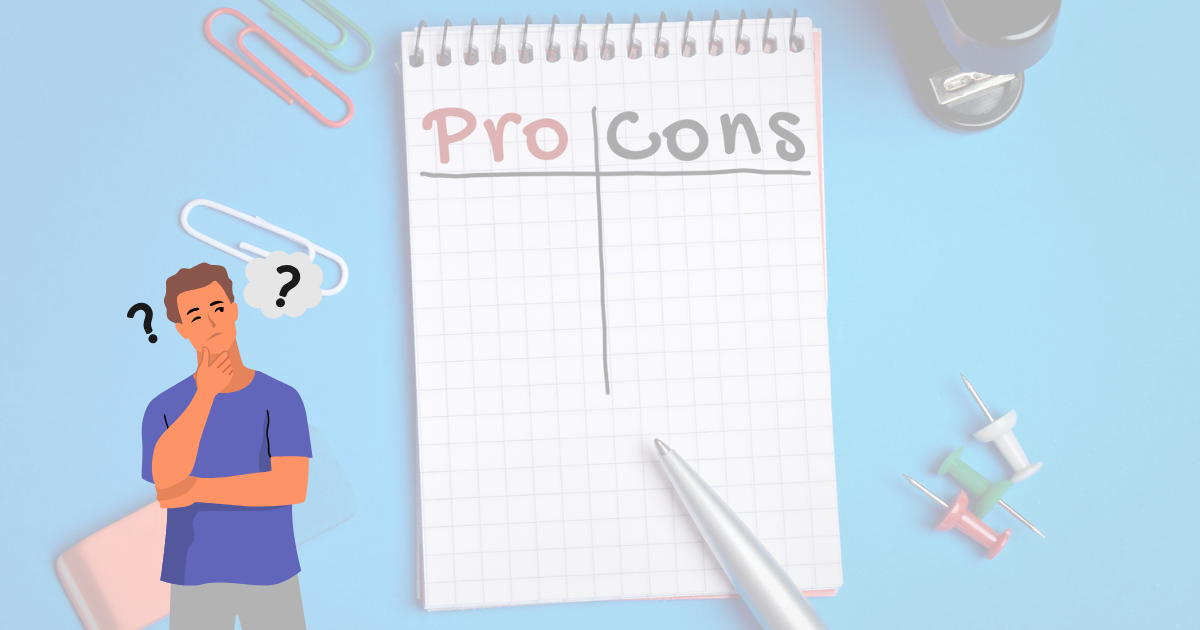
When emotional arousal drives impulsive decisions, the DBT Pros and Cons skill helps you pause, weigh short-term relief against long-term consequences, and choose wisely.

When emotions feel too big to handle, the DBT ACCEPTS skill gives you seven concrete ways to shift your attention and get through the crisis without making things worse.

Learn about the four core DBT skills — mindfulness, distress tolerance, emotion regulation, and interpersonal effectiveness — and how dialectical behavior therapy can help you manage intense emotions.

You can experience life again. Let’s take steps together.
At Bio Behavioral Institute, we’re here to be your team and get you back to the life you deserve. Schedule your consultation and take the first step towards a more meaningful life.
Call our office at 516-487-7116 or complete the form to schedule your consultation.