
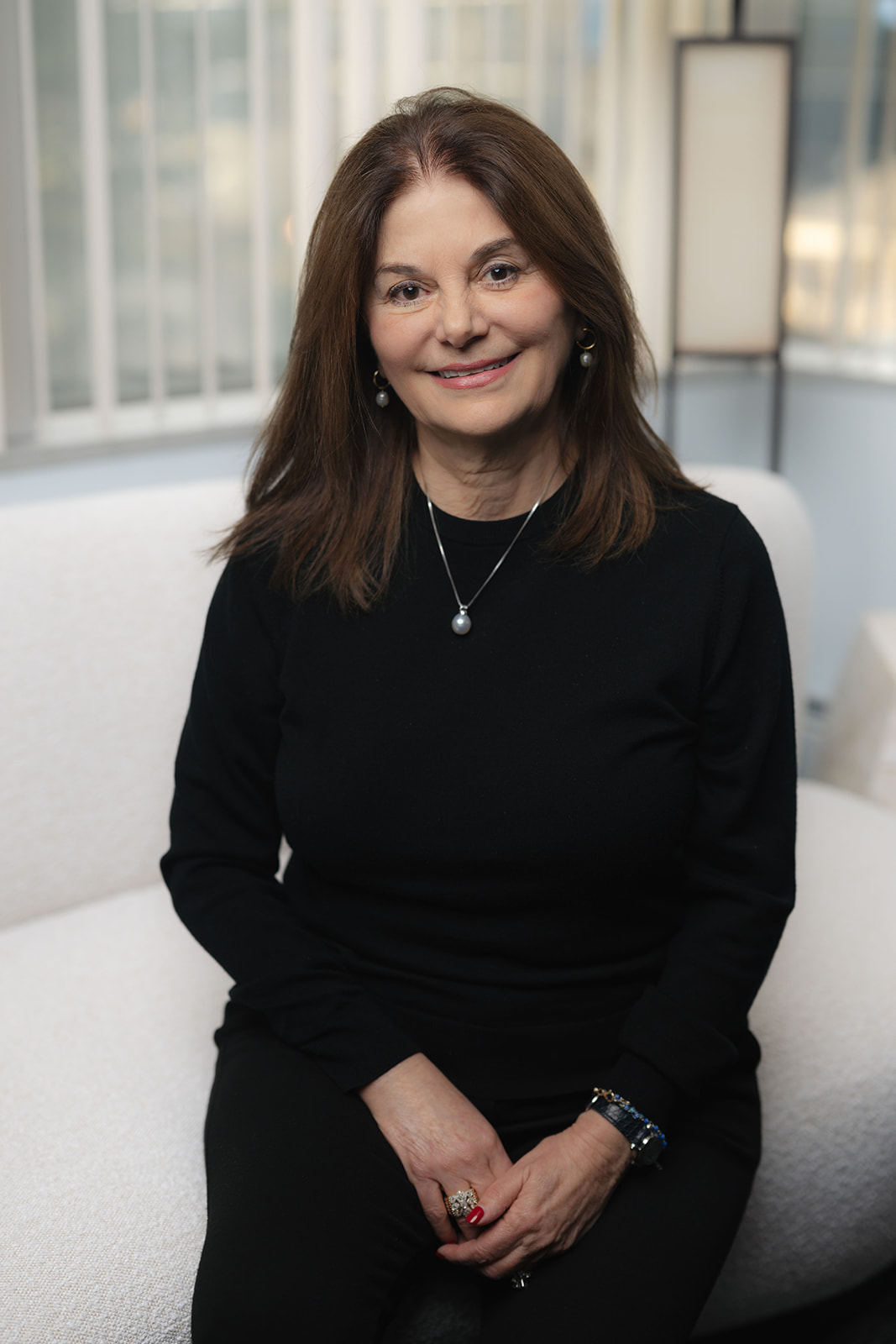
Fugen Neziroglu, Ph.D., ABBP, ABPP

Executive Director / Co-Founder

Dr. Fugen Neziroglu is a board-certified cognitive and behavior psychologist and the Co-Founder and Executive Director of the Bio Behavioral Institute in Great Neck, NY. She co-founded the Institute in 1979 with psychiatrist Dr. Yaryura-Tobias the mission to provide cutting-edge, compassionate care for individuals struggling with obsessive-compulsive and related disorders.

For over 40 years, Dr. Neziroglu has been at the forefront of research and clinical innovation in OCD, anxiety, and body-focused repetitive behaviors. She supervises the Institute’s clinical team, conducts research, and provides direct treatment to clients from across the United States and internationally. Her pioneering work helped establish the first outpatient intensive cognitive-behavioral treatment program for OCD in the nation.

Dr. Neziroglu has published more than 150 papers in scientific journals and authored or co-authored 15 books, including Body Dysmorphic Disorder: Advances in Psychotherapy, Children of Hoarders, and Overcoming Body Dysmorphic Disorder. Her work has been featured on TLC’s Hoarders, NBC's The Today Show, CNN, 48 Hours, and Good Morning America. She earned her Ph.D. in Clinical and School-Community Psychology from Hofstra University and completed postdoctoral training at Temple University School of Medicine under Dr. Edna Foa and Dr. Joseph Wolpe. She is a Fellow of the American Board of Behavioral Psychology and serves on the scientific advisory boards of the International OCD Foundation (IOCDF) and the Anxiety and Depression Association of America (ADAA).
June 30, 2019

Do You Suspect that a Loved One is Suffering from BDD?

For BDD, watch for excessive checking or avoidance of mirrors, social withdrawal, and intense distress over a perceived flaw. Seek a professional immediately.
July 2, 2019

Do We Really Know What We Look Like? ~ Fugen Neziroglu Ph.D.

BDD is a serious psychological preoccupation with a minor flaw. Since surgery fails, therapy must convince the client to change their thoughts instead of their body. ERP is used to align behavior with client values, leading to reduced anxiety and recovery.
July 9, 2019

Tackling Your OCD ~ Fugen Neziroglu, PH.D

OCD has two parts: obsessions (thoughts) and compulsions (behaviors). The primary treatment is Exposure and Response Prevention (ERP), which involves gradually confronting fears and preventing compulsions.
July 6, 2019

What Am I Going To Do with all This Stuff ~ Fugen Neziroglu, Ph.D

Hoarding disorder is the excessive saving of items with distress at parting, cluttering living spaces. It's treated with CBT, which focuses on improving insight and challenging the patient's emotional attachment and beliefs about their possessions.
August 6, 2019

Motivating People with BDD to Participate in Treatment

Treating BDD requires compassion and flexibility. Focus on how the preoccupation negatively impacts life goals, not disputing the perceived flaw.
August 20, 2019

Why Should I Get Treatment? ~ Fugen Neziroglu, PhD

For BDD, the issue is psychological, not physical; surgery fails. CBT and medication help by changing negative thoughts and feelings about your appearance to achieve your life goals.
April 13, 2020

Keeping The Coronavirus in Mind

Manage anxiety by using mindfulness to distinguish facts from catastrophic thoughts. Only respond to concerns with real evidence to achieve a measured response.
April 13, 2020

Trichotillomania

Trichotillomania causes repeated urges to pull out your own hair. Learn what triggers pulling, why it's so hard to stop, and strategies that actually help.
April 24, 2020

Enjoying the Flowers

Use Cognitive Therapy to manage crisis emotions by focusing on facts. Use a thought record to identify and question distorted thoughts. If feelings conflict with facts, use Opposite Action.
May 1, 2020

Dr. Neziroglu interviewed by Overachiever Magazine

Depersonalization (detachment from self) and derealization (disconnection from environment) are common. Persistent detachment, characterized by numbness and unreality, may indicate Depersonalization Disorder.
May 15, 2020

The Final Word

To cope with major challenges, adopt heroic defiance: find value in the experience and growth, which takes back power and stops the hardship from defining your life.
May 23, 2020

OCD DURING COVID-19: CAUTION VS. COMPULSION

Many people with OCD are not experiencing increased symptoms from the pandemic. However, look for OCD-related signs like excessive reassurance seeking, extra precautions beyond guidelines, persistent doubt, and a sense of panic.
May 7, 2024

The Myth of The "Carefree Childhood"

Children, especially adolescents, experience distress that appears as mood changes, sleep issues, and withdrawal. Parents can help by normalizing the stress conversation, modeling coping skills, using mindfulness techniques, and providing support and routine.
June 7, 2024

Understanding and Addressing Bullying

Know the warning signs of bullying — mood changes, physical complaints, social withdrawal — and the steps parents can take to protect their child and work with the school.
July 11, 2024

Helping Children Cope with Bullying: A Therapist's Approach

Therapists help children affected by bullying, whether they are victims or perpetrators. They assist victims by building self-esteem and teaching coping skills. They work with perpetrators by developing empathy and teaching better communication. Early intervention is vital for positive long-term change.

You can experience life again. Let’s take steps together.

At Bio Behavioral Institute, we’re here to be your team and get you back to the life you deserve. Schedule your consultation and take the first step towards a more meaningful life.

Call our office at 516-487-7116 or complete the form to schedule your consultation.