
How to Handle Setbacks Without Losing Hope: A Guide to Relapse Prevention in OCD and Anxiety Recovery
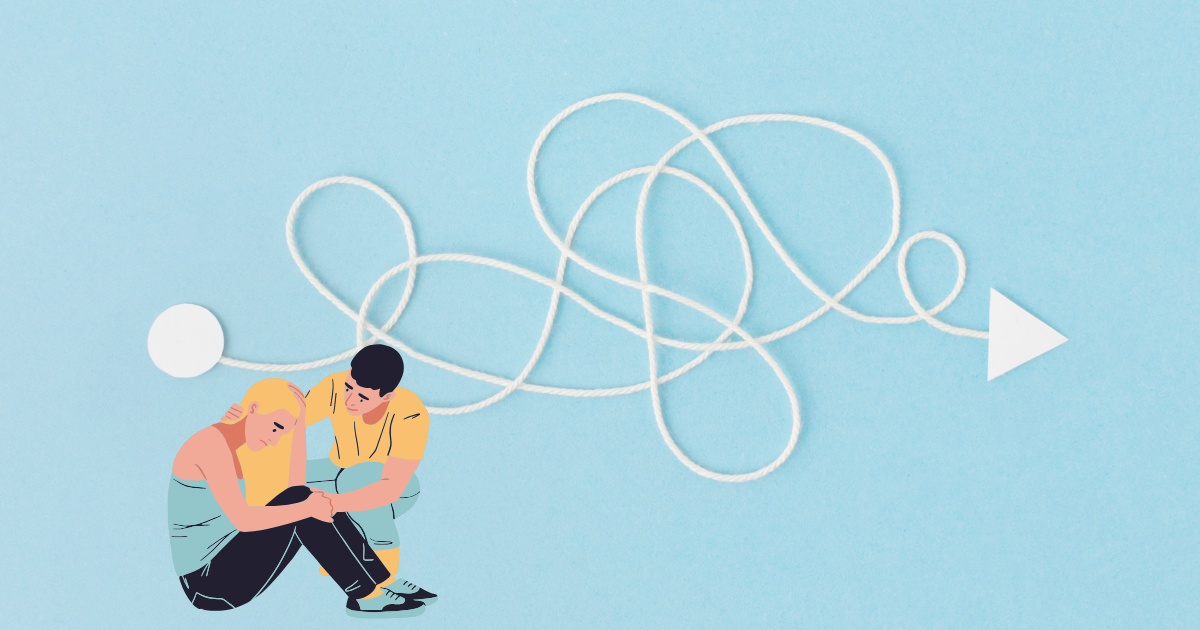
Recovery isn’t a straight line. Even when you’ve made meaningful progress in therapy, there will be days when old habits resurface, anxiety feels louder than usual, or an OCD relapse catches you off guard. Experiencing setbacks in recovery does not mean treatment has failed. In fact, setbacks are a normal part of relapse prevention work.
Learning how to respond to setbacks, rather than whether they happen, is what determines long-term success. The goal is not perfection. The goal is shortening the distance between a slip and getting back on track.
What Research Tells Us About Setbacks in Recovery
If you’ve experienced a setback, you’re not alone. Research on OCD treatment outcomes shows that while Exposure and Response Prevention (ERP) is highly effective, symptom fluctuation is common, especially during the first year after treatment (Abramowitz et al., 2003).
In other words, improvement does not mean symptoms disappear permanently. Stress, life changes, lack of sleep, illness, or new triggers can all temporarily increase symptoms.
Studies also show that how you respond to setbacks matters more than whether they happen. People who view setbacks as learning opportunities rather than failures tend to have better long-term outcomes.
The goal isn’t to never stumble. It’s to shorten the time between a slip and getting back on track.
What Do Setbacks Look Like?
Setbacks can take many forms. Recognizing them clearly helps prevent catastrophizing.
Behavioral Setbacks
- Giving in to a compulsion after weeks of resisting
- Avoiding a situation you had been gradually approaching
- Returning to reassurance-seeking or checking behaviors
- Skipping exposures or therapy homework
Emotional Setbacks
- Sudden spikes in anxiety or obsessive thoughts
- Feeling like you’re “back to square one”
- Increased shame, irritability, or hopelessness
- Losing motivation to continue treatment practices
Situational Triggers
- Stress at work or in competitive NYC school environments
- A life transition (new job, relationship change, move)
- Poor sleep or physical illness lowering your stress tolerance
- Encountering a trigger you haven’t faced in months
What Setbacks Are NOT
- Proof that ERP doesn’t work
- Evidence that you’ll never get better
- A character flaw
- A reason to quit
Recognizing a setback as temporary, rather than permanent regression, is the first step in relapse prevention.
The Difference Between a Slip and a Relapse
Not all setbacks are the same. Sometimes what feels like a major relapse is actually just a brief “slip.”
A slip might be: Giving in to one compulsion. Avoiding one exposure. Having one bad anxiety spike.
A relapse, on the other hand, involves returning to consistent avoidance, repeated compulsions, or abandoning your treatment plan over time.
Understanding this distinction matters. When you label every slip as a relapse, it increases shame and catastrophizing. But when you accurately identify a brief setback as temporary, you prevent escalation.
The key question is not “Did I mess up?” It’s “What do I do next?”
The faster you re-engage with your tools, the less likely a slip becomes a relapse.
See Setbacks as Feedback, Not Failure
When you notice a slip, maybe an intrusive thought pulls you into a compulsion, pause.
Instead of: “I ruined everything.”
Try: “This tells me something important.”
Ask:
- What was happening just before this?
- How was I feeling physically? (Tired? Hungry? Stressed?)
- What thought showed up?
- What tool did I not use?
Curiosity keeps you in learning mode. Criticism shuts learning down.
Your Setback Response Plan
When an OCD relapse or anxiety setback happens, use this structured relapse prevention plan:
Step 1: Pause and Name It
Say: “This is a setback. It’s part of recovery, not the end of it.”
Naming reduces emotional intensity.
Step 2: Practice Self-Compassion
Use this script or something similar: “I’m having a hard moment. Setbacks happen when you’re building new skills. I can take one small step forward.”
Self-compassion calms the nervous system and prevents shame spirals.
Step 3: Get Curious, Not Critical
Reflect:
- What triggered this?
- Was I overwhelmed?
- Did I skip exposures?
- Was I sleep deprived?
Step 4: Choose One Small Action
Do not try to “fix everything.”
Pick one:
- Re-do one exposure at a manageable level
- Delay a compulsion by 5 minutes
- Practice grounding (5-4-3-2-1)
- Reach out to one supportive person
- Write down what happened for your next therapy session
Step 5: Reconnect With Your Values
Ask: “What am I building toward?” Freedom? Independence? Peace of mind?
A setback is a detour, not a destination change.
Step 6: Get Support If Needed
If setbacks are frequent or you’re struggling to get back on track, bring it up in therapy. Your clinician can help adjust your plan.
Why Setbacks Feel So Big
Setbacks often trigger something deeper than symptoms—they activate identity fears.
Common thoughts include:
- “I’ll always be like this.”
- “All my progress was fake.”
- “I can’t trust myself.”
OCD and anxiety thrive on certainty. A setback reactivates uncertainty, which feels threatening.
But remember: one spike in symptoms does not erase months of progress. Progress includes learning how to recover.
The Role of Stress and the Nervous System
It’s also important to understand that setbacks often happen when your nervous system is overloaded. High stress, lack of sleep, illness, travel, or major life changes increase cortisol and reduce emotional regulation capacity. When your brain feels threatened or depleted, it naturally looks for quick relief, and OCD compulsions or avoidance behaviors often provide short-term relief.
This doesn’t mean you’ve regressed. It means your system was taxed.
Relapse prevention isn’t just about resisting compulsions; it’s also about protecting your nervous system. That might include prioritizing sleep, maintaining structure, reducing overcommitment, and building regular stress-release practices into your week. The more regulated your body feels, the easier it becomes to apply the tools you’ve learned in therapy.
When Setbacks Signal Something More
Most setbacks are temporary. But sometimes, increased symptoms indicate the need for additional support.
Consider reaching out for additional help if:
- Setbacks are happening frequently despite consistent effort
- Symptoms return to pre-treatment intensity
- Daily functioning is significantly impaired
- You feel unable to use coping tools
- You’re experiencing suicidal thoughts or self-harm urges
- The setback lasts several weeks without improvement
In these cases, relapse prevention may require recalibration.
Options include:
- Increasing therapy frequency
- Adjusting ERP hierarchy
- Adding medication support
- Stepping up to intensive treatment
Recovery sometimes requires recalibrating. Asking for more support when you need it is a sign of wisdom, not weakness.
Celebrate Resilience, Not Perfection
Recovery is not about never stumbling.
It’s about:
- Recovering faster
- Learning from triggers
- Increasing psychological flexibility
- Acting on values despite discomfort
Each time you get back on track, you strengthen neural pathways of resilience.
That’s real progress.
Setback Support at Bio-Behavioral Institute
Setbacks are normal, but navigating them alone is not necessary.
At BBI, we help clients:
- Identify patterns that lead to setbacks
- Adjust ERP and treatment plans as needed
- Build relapse prevention strategies
- Reconnect with values and motivation after difficult moments
If you’re in treatment and experiencing setbacks, bring it up in your next session—this is exactly what therapy is for. If you’re not yet connected with a therapist, we’re here to help.
We serve individuals and families throughout Great Neck, NYC, Long Island, and the Tri-State area.
If you’re struggling with setbacks in recovery, support is available.
Phone: (516) 487-7116
Email: info@biobehavioralinstitute.com
Setbacks don’t erase progress. With the right guidance, they become learning moments—and stepping stones.
Frequently Asked Questions About OCD Setbacks
Does a setback mean treatment isn’t working?
No. Setbacks are a normal part of recovery, not evidence of treatment failure. Research shows that symptom fluctuation is expected, especially in the first year after treatment. What matters is how you respond.
How long do setbacks last?
This varies. A brief slip (giving in to a compulsion once) might resolve in hours. A more significant setback might take days or weeks to work through. If a setback persists beyond a few weeks, it’s worth discussing with your therapist.
Should I tell my therapist about setbacks?
Yes. Your therapist can help you understand what triggered the setback and adjust your plan. Setbacks provide valuable information for treatment—hiding them only delays progress.
What if I keep having the same setback?
Recurring setbacks often signal a pattern worth examining. There may be an environmental trigger, an unaddressed fear, or a need for a different approach. Bring this to your therapist—it’s solvable.
Is it normal to feel ashamed after a setback?
Yes, but shame isn’t helpful. Self-criticism makes it harder to get back on track. Practice self-compassion and remember: setbacks are proof you’re doing hard work, not evidence of failure.
More Blog Posts

When Anxiety and OCD Cause School Refusal: What Parents Need to Know

Understanding Magical Thinking OCD

Will You Be Your Valentine? Practice Self-Love Through Self-Compassion

You can experience life again. Let’s take steps together.
At Bio Behavioral Institute, we’re here to be your team and get you back to the life you deserve. Schedule your consultation and take the first step towards a more meaningful life.
Call our office at 516-487-7116 or complete the form to schedule your consultation.